

Knitting baby clothes yourself
There are many lovely knitting ideas for a winter baby: rompers, trousers, hats, jumpers, and blankets can be designed in your favourite colours and a wide variety of patterns.
These small projects usually require little yarn and are comparatively quick to finish. If you are already experienced, you can achieve a lot in just a few cosy evenings. At the same time, there's still room to look forward to the new arrival and consciously take time for your project.
Multiple layers for cold days
In winter, there are often significant temperature differences between a warm home and a walk outside. Layering is therefore practical: several layers of clothing can be put on and taken off as needed.
For example, over a diaper and a bodysuit, you can add a sweater, a jacket, pants, or a one-piece suit. Wrap jackets are particularly comfortable to put on because you can open them and don't have to pull them over the head.
You have a wide choice of patterns and cuts. Plain stockinette stitch, with a textured pattern, or a small cable pattern – choose a design that you like and that works well for everyday wear.
Adjust the clothing to the environment and remove extra layers indoors. Even in winter, your baby should not be dressed too warmly.
What wool is suitable for babies?
The yarn should be soft, scratch as little as possible, and be suitable for its intended use. Care is just as important: A frequently worn sweater must also withstand regular washing well.
When knitting yourself, you can also pay attention to flat seams and carefully sewn threads. This creates comfortable garments without bothersome labels or bulky seams.
Which fiber is best depends on how warm the item should be, how sensitive the skin is, and how uncomplicated the care needs to be.
Virgin wool: pleasantly warming
Fine merino wool is a popular choice for winter baby clothes. It usually feels soft, provides warmth, and can absorb moisture without immediately feeling wet. These properties make it an attractive option for sweaters, cardigans, and other warming garments.
However, how comfortable wool feels directly on the skin is individual. Therefore, pay attention to a particularly fine quality and how your baby tolerates the material.
There are also differences in care: some merino yarns require hand washing, while others can be machine-washed on a wool program. The information on the yarn band is decisive. If stains frequently need to be removed, it's worth checking this before choosing the yarn.


Cotton: smooth and suitable for everyday use
Cotton feels cooler and provides less warmth than virgin wool. This makes it particularly suitable for lighter clothing and warmer seasons. In winter, it can be easily combined with additional layers.
The fiber can absorb moisture but does not dry immediately. Therefore, you should change out of damp clothing.
An advantage of many cotton yarns is their easy care. Depending on the quality, higher washing temperatures are possible than with delicate wool. Cotton can therefore be practical if your baby needs frequent changes of clothes. Here, too, always check the specific washing recommendations.


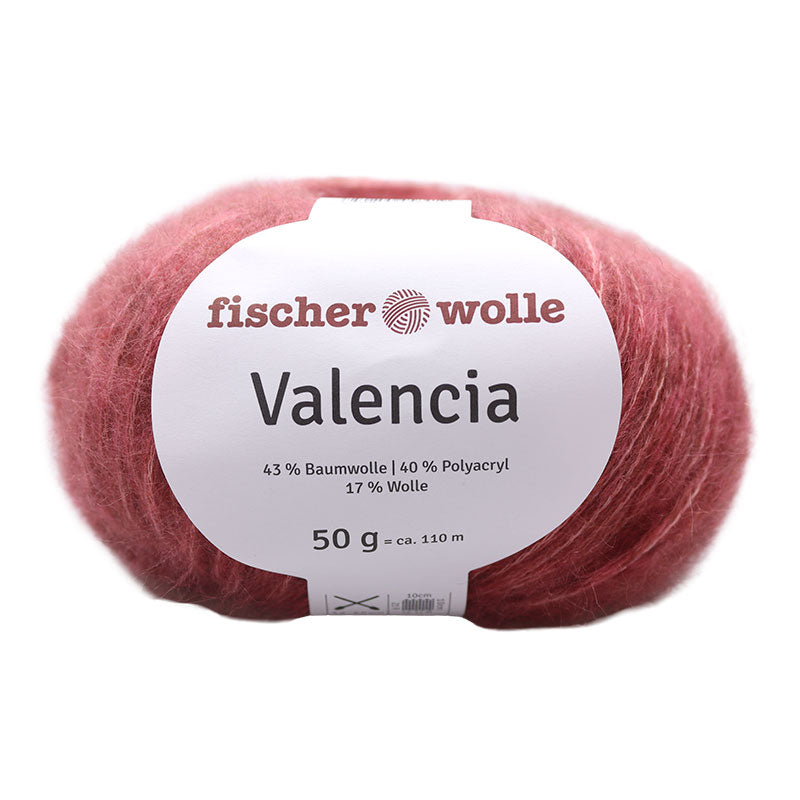


Synthetic yarns: soft and easy to care for
Many synthetic yarns are soft, warm, and easy to care for. Some can be washed at 40 degrees, and some can even be tumble-dried. However, both only apply if expressly permitted on the yarn label.
Synthetic fibers often absorb less moisture than natural fibers. How the finished piece wears also depends on the yarn blend, the pattern, and the thickness of the knit.
When choosing any material, make sure the clothing is appropriate for the temperature. A baby cannot remove extra layers themselves if they get too warm.


Finding the right combination
For winter babies, the properties of different materials can be well combined. A cotton or fine merino wool bodysuit can form the innermost layer of clothing. Over it come sweaters and pants, the material of which suits your daily life.
If your baby spits up frequently, easily washable yarns for jackets and sweaters are particularly practical. For a warming blanket, for example, merino or suitable synthetic fiber yarns are an option.
Special requirements apply to sleeping: a well-fitting baby sleeping bag is preferred over a loose blanket. The clothing underneath should match the room temperature; a hat does not belong in bed.
Whether it's a cap, jacket, pants, or romper: Choose a model that fits comfortably, is easy to put on, and provides appropriate warmth. This way, your knitting project becomes a personal companion for the first winter months.


